

Logistics, Travel, Meals, and Lodging
A typical Alternative Break daily schedule may include:
- Breakfast: 7-8 a.m.
- Service: 8:30-Noon
- Lunch: Noon-1 p.m.
- Service: 1-5 p.m.
- Down time for rest or showers: 5-6 p.m.
- Dinner: 6-7 p.m.
- Reflection and evening activities: 7-9 p.m.
- 1-2 free days within the trip to explore the community
Times with adjust based on the community's need. You can expect to work hard, learn a ton, and make great friends and lasting memories! We believe in strong direct service that will have a lasting impact on a community. We work with our community partners at all of our service sites to make sure that our students will be participate in meaningful service work. You can expect 6-8 hours of daily service.
Trip logistics are planned to minimize costs to both the University and the student participants. We strive to keep the focus of the trips on the social issues being investigated, the service work being completed, and the impact of the service on all involved.
Locations
- Alternative Summer Break: Kenya
- Alternative Winter Break: International trips rotate yearly between Costa Rica, Guatemala, and Ecuador. Domestic trips will be within a 15-hour radius of campus.
- Alternative Spring Break: Locations change yearly but are typically within a 15-hour radius of campus for domestic trips. International trips will begin in 2023 with the Caribbean.
- Alternative Weekends: Locations change yearly but are typically within a 6-hour radius of campus.
 Transportation
Illinois State University vans are used for transportation for Alternative Weekends.
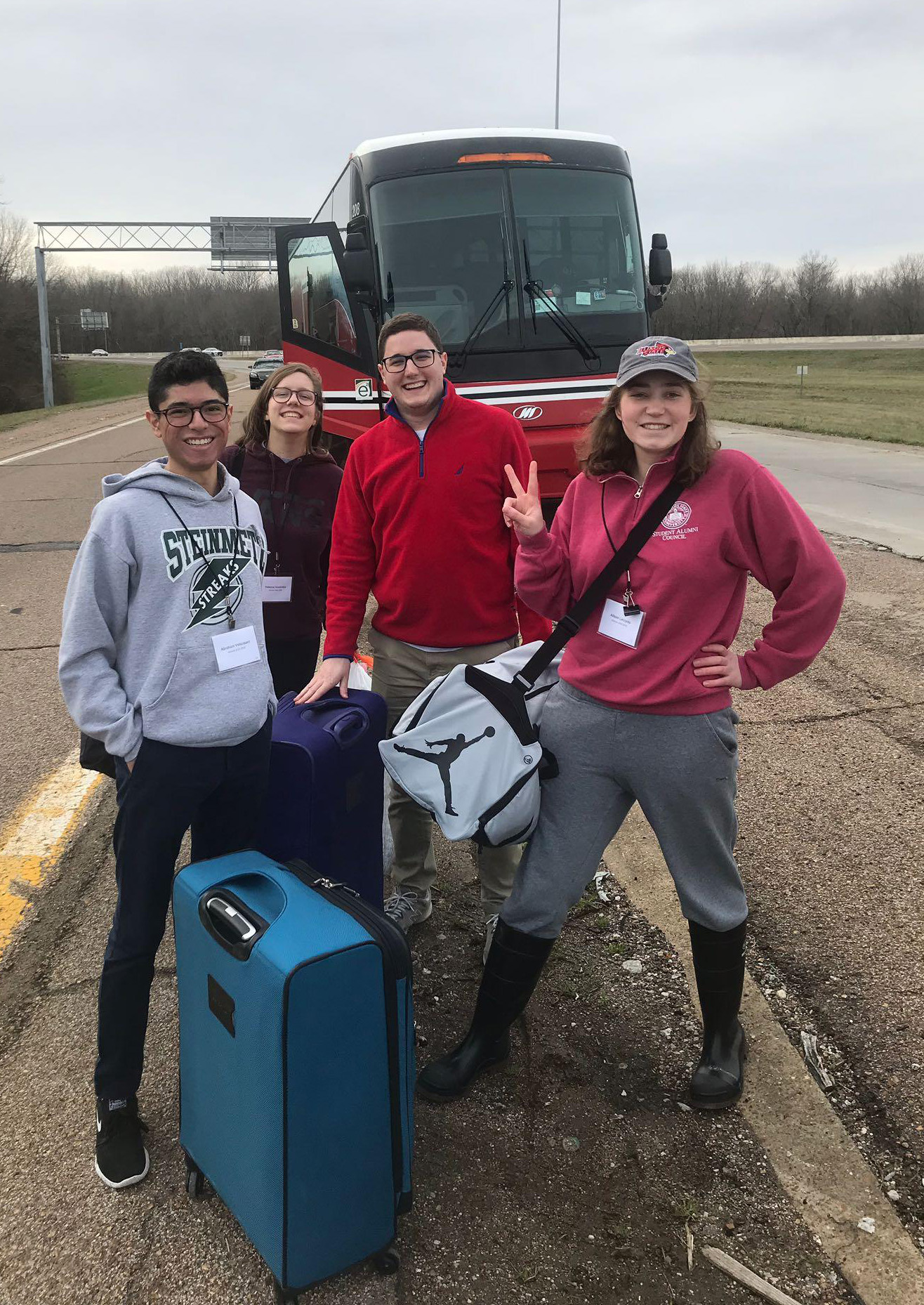
Charter busses from a local bus company are used for the majority of our Alternative Spring Break trips. These buses stay with us for the duration of our trip to transport us to and from our housing site and our service site. Occasionally, a spring break trip will require airfare. In those cases, flights will depart from Chicago/O'Hare airport and transportation at the service location will be provided by a partner organization.
International travel departs from the Chicago/O'Hare airport. Travel in-country is provided by our community partner and is usually vans.
Lodging
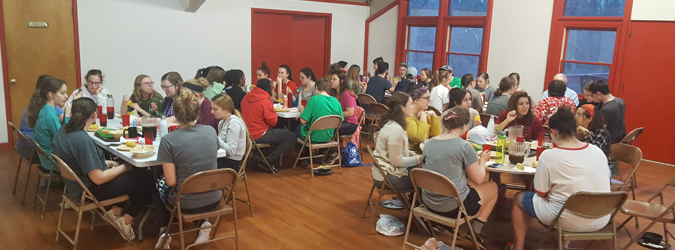
We focus on immersing ourselves in the culture and in the community while keeping costs low. Therefore, accommodations may include: staying with host families, sharing bunk beds or cabins, staying a community center or church, or sharing a large open space with sleeping mats.
- Alternative Breaks does not separate sleeping or living arrangements in any specific way and makes sure to create safe and comfortable spaces for all participants to stay during their trips.
- If a community partner asks that participants separate genders for sleeping arrangements, participants may choose whichever space they feel most comfortable in.
- The Alternative Breaks program will make every effort to communicate sleeping arrangements or bedding/linen needs prior to trip departure with participants.
Meals
Meals will be provided for all participants outside of any stops on the way to their site and on the way home. Meals are either provided through our housing site, prepared by host families, or are cooked by our students.
On many trips, students will be asked to bring their own mess kit (or a plate, bowl, cup, and silverware) to help reduce costs while also being good stewards of the environment.
Please note: We strive to accommodate serious food allergies where possible but cannot ensure that all non-medically mandated diets or personal preferences can be accommodated. If you need a dietary accommodation, please contact the Center for Civic Engagement to discuss options. Students are encouraged to participate in the local food culture as a central aspect of daily life. Often times, meals are prepared by our host and participants are expected to make an effort to try items and honor the host’s offer. When food preparation is the responsibility of our group, we strive to provide well-balanced meal options. If you have additional food concerns, you are welcome to bring food to supplement your diet. Please note, delivery services and/or grocery stores may not be easily accessible to your location.
-
Sample domestic trip meal options when not provided by the host and prepared by the group:
- Breakfast: cereal, bagels, oatmeal, fruit, protein bars
- Lunch: peanut butter and jelly, lunch meat, cheese, chips, fruit, veggies, granola bars
- Dinner: Salad bar, tacos, spaghetti, pizza, chicken nuggets
- Snacks: Chex mix, candy, pretzels, animal crackers, fruit
-
Sample international trip meal options:
- Breakfast: eggs, pancakes, rice and beans, toast, coffee, juice, fruit
- Lunch: lunch meat sandwiches, rice and beans, chicken or fish, juice, fruit
- Dinner: rice and beans, chicken or fish, vegetables, curry, bread
- Snacks: Usually none provided by host. Participants can bring their own or there may be a local shop to purchase baked goods, chips, or sodas.