


Voter Restoration
Historically, the term "voter restoration" has been associated with returning voting rights to individuals with felony convictions. Through the Voter Restoration Initiative, however, the Voter Engagement Coalition seeks to extend the term and to broaden the conversation.
Throughout the election process, we will acknowledge the histories and legacies of voter suppression within marginalized communities that discourage citizens from participating in the present-day voting process. We will highlight the challenges and resilience of communities across the country who are still not able to vote, even though they have the legal right to do so. Through community storytelling and dialogue, we hope to encourage important conversations that will ultimately raise the voices that our nation has historically silenced.
The Voter Restoration Initiative reflects the intersection of two of Illinois State's core values, civic engagement and diversity and inclusion, by acknowledging the sociohistorical legacy and present-day experiences of power and oppression within the American political voting system.
Voter Restoration Topics
- The Power of the Youth Vote
- Tribal Communities Fighting to Vote
- The Latinx Voting Movement
- Voter Restoration and the War on Drugs
- Black America and the Evolution of Voter Suppression
- The 19th Amendment and Women of Color
- The Century-Long Fight: The Black Sorority Movement for Voting Rights
- Voting for All: Access and Accomodation
- LGBTQ+ Voting and Civil Rights
The Power of the Youth Vote
The larg est voting population in the U.S. are the youth. They are also more educated and civically engaged than past generations. Young adults have the numbers and interest in voting, but voter turnout among this group has remained low. Voting needs to be more accessible, so that young voters have the opportunity to be engaged in our democracy.
Resources
- The Impact of Voting Laws on Youth Turnout and Registration (Article)
- Voting Rights Legacy of Students Continues On (Article)
- Why So Few Young Americans Vote (Article)
- View From the Student Section: The Fight For the Youth Vote (Video)
- Youth Voter Turnout: Why Is It So Low? (Video)
- Youth Voting Rights Act (Website)
Reflection Questions
- What does youth activism look like?
- How does our culture influence and impact youth political engagement (e.g., attitudes/behaviors toward voting/involvement in politics)?
- What barriers do young voters face and how can they be overcome?
- How can we change the narrative that youth votes don't matter?
Tribal Communities Fighting to Vote
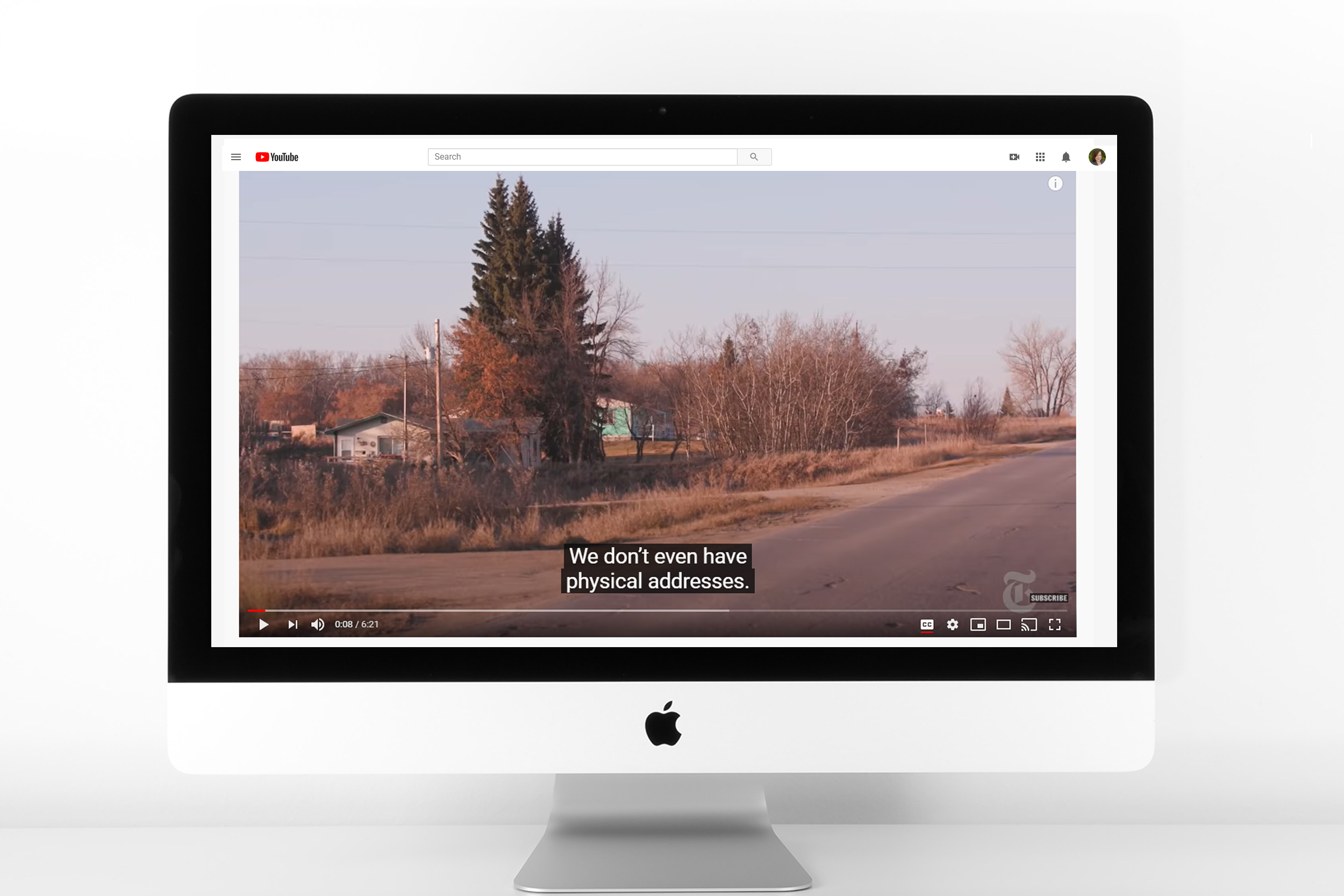 Native Americans have the lowest voter turnout among all groups. Even though citizenship was finally granted to Native Americans in 1924, there is an ongoing fight to ensure Native American voting rights. This is especially true among those who live in tribal reservations, where they have unique factors that impact the ability to vote. The laws and policies implemented around voting make it substantially difficult for Native Americans to engage in the democratic process.
Resources
- How the Native American Vote Continues to be Suppressed (Article)
- How Voter Suppression Laws Target Native Americans (Article)
- Sko Vote Den: Why Voting in NDN Country Matters, a New Podcast Hosted by Jade Begay (Article)
- This Law Makes Voting Nearly Impossible for Native Americans in Montana (Article)
- A North Dakota Tribe Is Fighting to Vote, Here's Why It Matters (Video)
- Every Native Vote Counts Website (Website)
Reflection Questions
- Why does representation matter for Native Americans in our democracy?
- What are the barriers to voting for Native Americans?
- How can their voices be restored?
- How is voting further complicated by Native Americans history with the government?
The Latinx Voting Movement
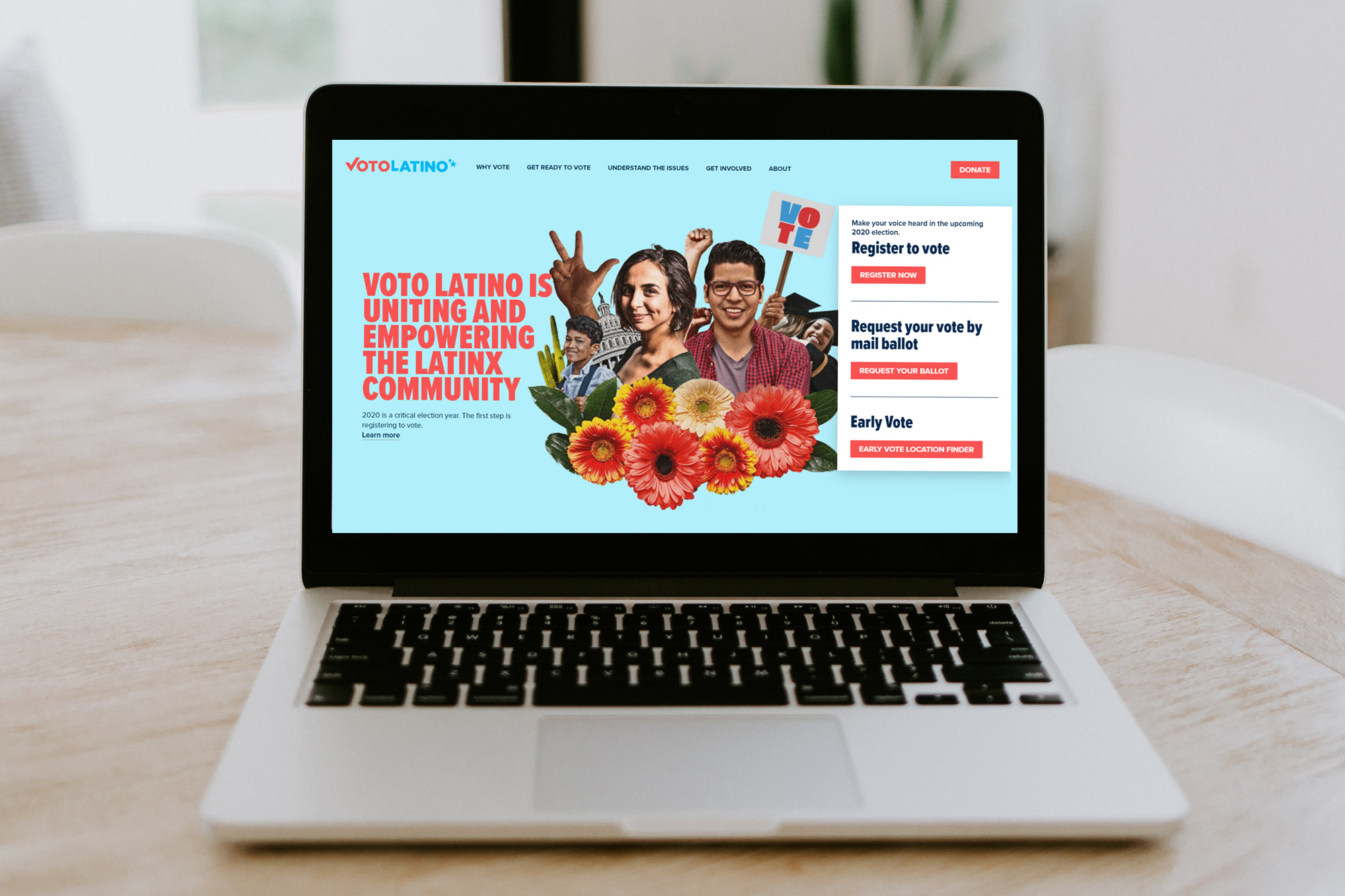 The Latinx community is fighting for their voices to be heard in our democracy. Actions such as changing poll locations, photo I.D. requirements, and the purging of voter rolls, are having negative impacts on Latinx citizens' ability to vote. However, groups such as Voto Latino are committed to empowering and educating Latinx voters. A simple way this is done is registering as many eligible Latinx voters as possible.
Resources
- Voto Latino (Website)
- New Series Empowers Record Number of Latinx to Register to Vote for the 2020 Elections (Article)
- Latino Groups Fight Voter Suppression Efforts as US election Nears (Article)
Reflection Questions
- What barriers do Latinx citizens face when engaging in political processes? How can they be overcome?
- What is the importance of the Latinx Voting Movement?
- How does the growing population of eligible Latinx voters impact our political landscape?
Voter Restoration and the War on Drugs
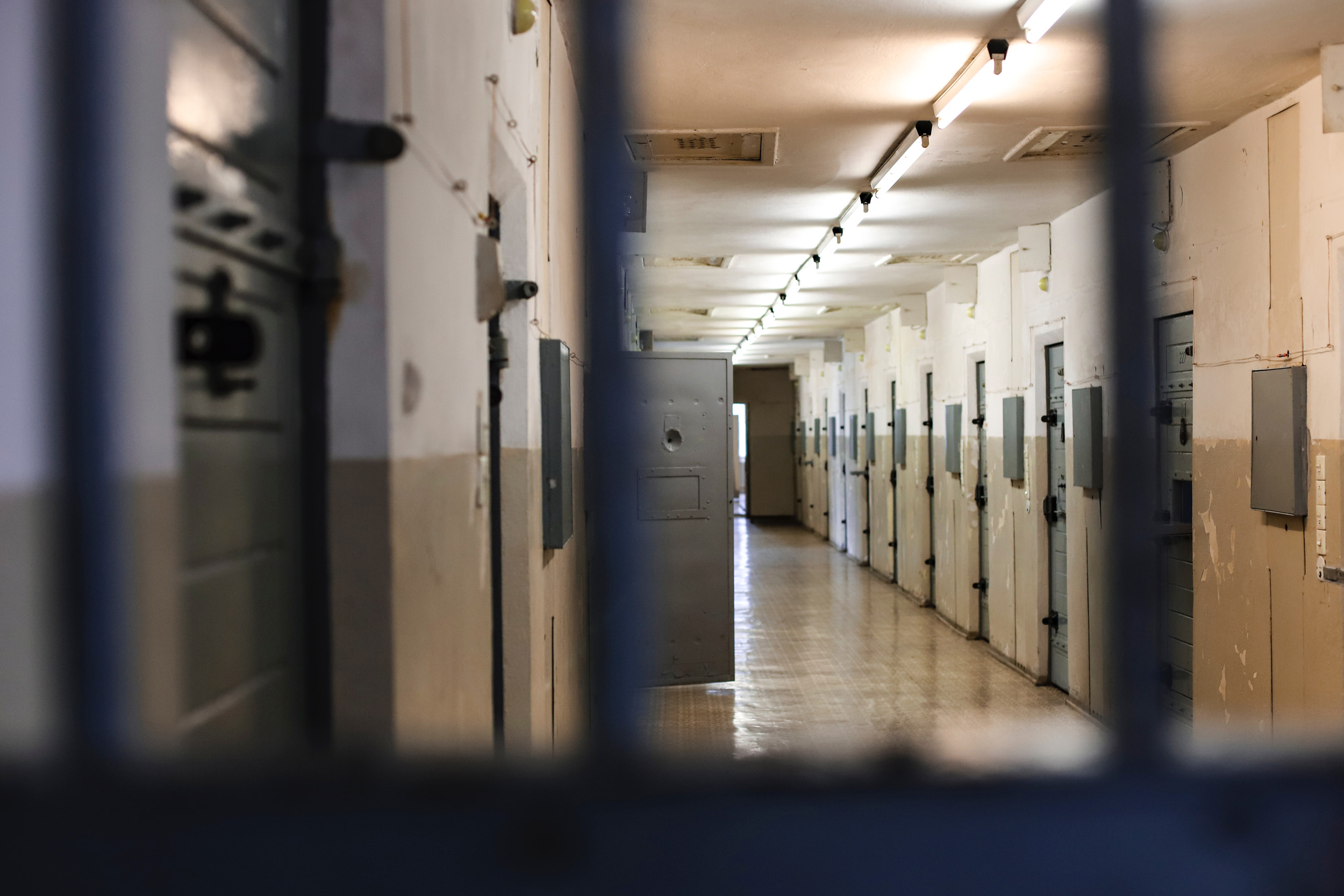 The aim of the War on Drugs is to stop the trade, distribution, and use of illegal drugs by increasing prison sentences for users and dealers. Black communities have been hit the hardest by the policies enacted from this campaign, even though White communities have had similar rates of illegal drug activity. This has contributed to the boom in our prison population, where Black people are disproportionately represented. This, in turn, has impacted the voting rights of numerous Black individuals. Decades later, this campaign continues to disenfranchise minorities, while there has been little to no reduction of illegal drug activity in the U.S.
Resources
- Disenfranchisement in the Era of Mass Incarceration (Article)
- Race, Mass Incarceration, and the Disastrous War on Drugs (Article)
- Racism & Felony Disenfranchisement: An Intertwined History (Article)
- The War on Drugs Disenfranchises Thousands of Black Americans, Subverting Democracy (Article)
- The War on Drugs: From Prohibition to Gold Rush (narrated by Jay Z - Video)
Reflection Questions
- How is racism interwoven into policies and what purpose does it serve?
- How does the War on Drugs initiative uphold white supremacy? What impact has this had on the Black community?
- How can we get rid of racist policies and make sure new policies do not silence communities voices?
Black America and the Evolution of Voter Suppression
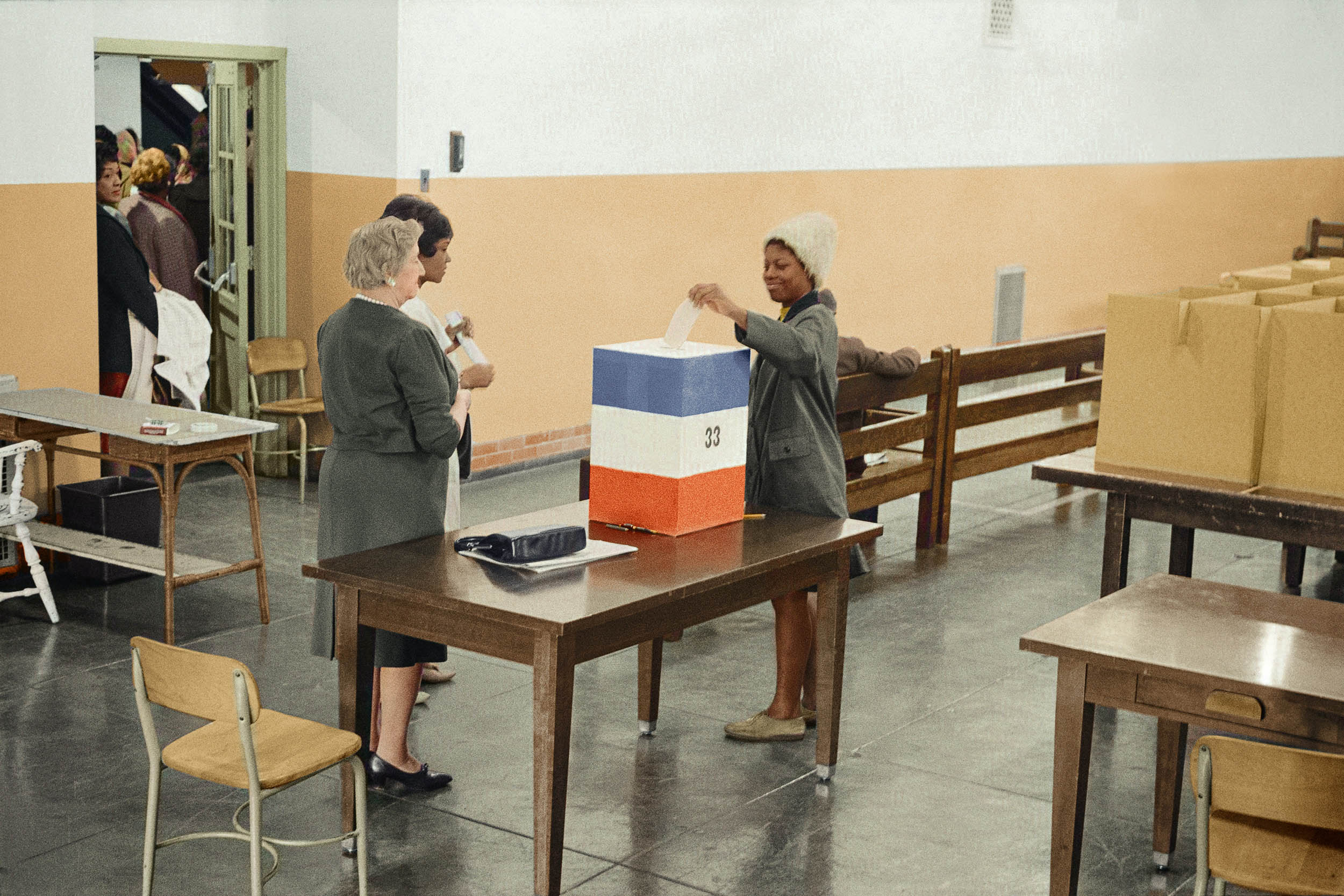 Voter suppression is a tactic used to discourage voters from voting. While past tactics were overt, such as poll taxes or physical violence, voter suppression has evolved and continues to disproportionately impact people of color. Today's tactics, like strict voter I.D. or laws limiting early voting, make it harder to exercise the right to vote.
Resources
- America's Long History of Black Voter Suppression (Article)
- Race and Voting in the Segregated South (Article)
- Suppressed: The Fight To Vote (Featuring Stacey Abrams - Full Film)
- Systematic Inequality and American Democracy (Article)
- Opinion: How Voter Intimidation and Suppression Have Evolved Since the 15th Amendment (Video)
- Take Action: Volunteer with Black Voters Matter
Reflection Questions
- What barriers do Black citizens face when voting and how can they be overcome?
- Why is it more difficult to identify voter suppression now than in the past?
- What impact did the 2013 Shelby County v Holder Supreme Court ruling have on voting rights?
- How has structural racism impacted Black Americans electoral power?
The 19th Amendment and Women of Color
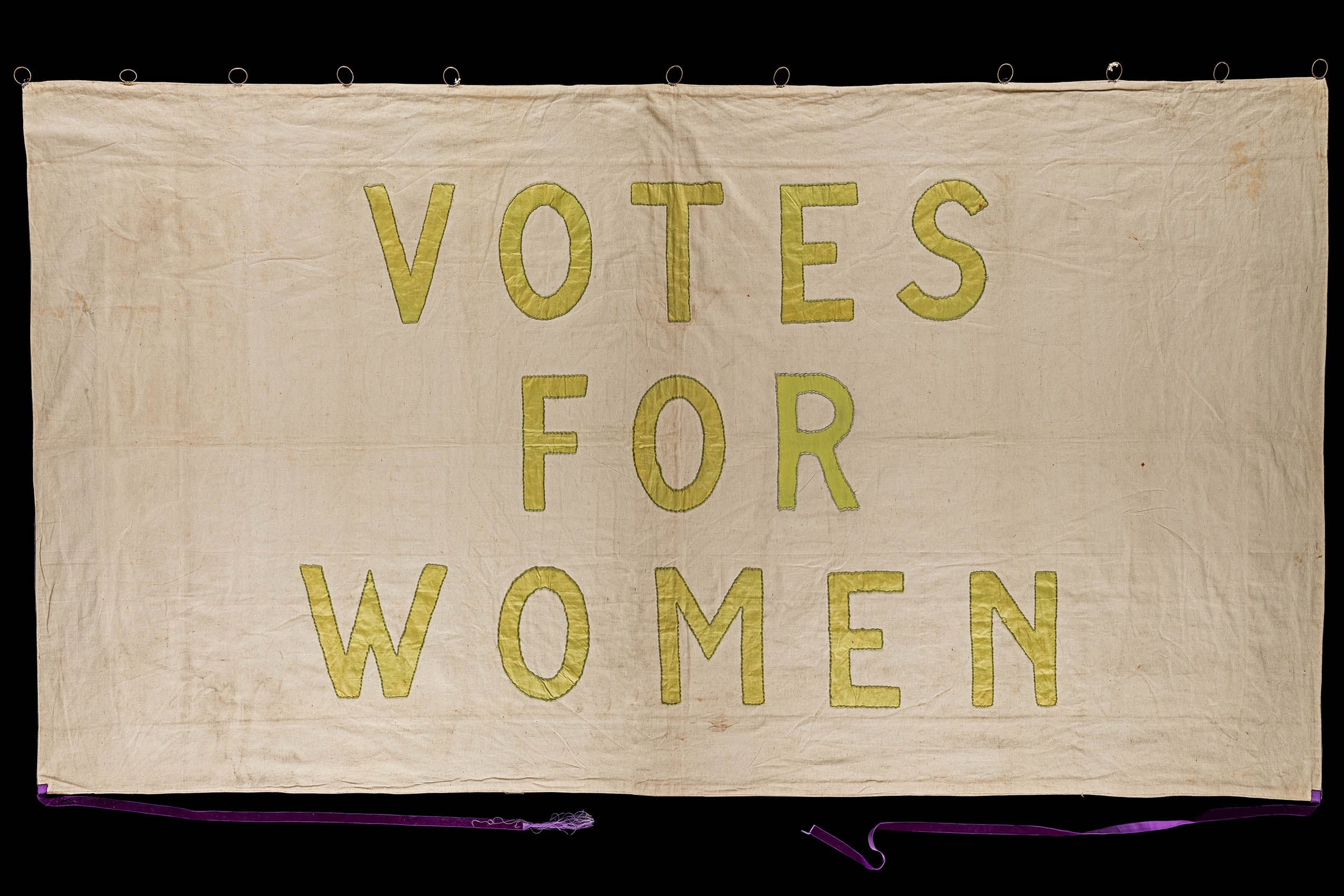 It's been 100 years since the 19th Amendment was ratified in the U.S. and it's important to acknowledge that racism ran rampant throughout this movement. Women of color were marginalized by white suffragists, who refused to acknowledge their concerns about race. Some suffragists even used white supremacy as a tool to further the cause for women's voting rights. Many women are still in the fight for women's voting rights.
Resources
- Fighting Voter Suppression (Article)
- The Importance of Women of Color Voters: Then and Now (Article)
- Young Women of Color Continue to Lead Civic and Political Engagement (Article)
- 6 Surprising Facts About the 19th Amendment (Video)
- 19th Amendment: "A Start, Not A Finish" For Suffrage (Video)
Reflection Questions
- Why were all women not able to vote after the 19th Amendment?
- How was the women's suffrage movement rooted in white supremacy?
- Who had the power to shape the narrative of the women's suffrage movement and who was left out?
- What role did racism play in the women's suffrage movement?
Century-long Fight: Black Sorority Movement for Voting Rights
 Delta Sigma Theta was founded in 1913 at Howard University. It is a predominately Black sorority that is committed to the development of their members and public service, primarily around the Black community. The organization has a long history of activism, with their involvement in the women's suffrage parade being one of their first public acts. They believed in the importance of voting rights for Black women, and despite the great risk to their lives, they decided to participate in the march.
Resources
- The Black Sorority that Faced Racism in the Suffrage Movement but Refused to Walk Away (Article)
- Delta Sigma Theta: Black Sorority Project (Full Length Documentary)
Reflection Questions
- What is the importance of having Pan-Hellenic Greek organizations?
- What impact have Pan-Hellenic Greek organizations had on their communities?
- What efforts do Delta Sigma Theta put towards voting?
Voting for All: Access and Accommodation
Organizations such as the National Disability Rights Network and the Center for American Progress's Disability Justice Initiative have advocated for full access to the voting process for people iwth disabilities. Several federal laws, such as the Americans with Disabilities Act, the Voting Rights Act of 1965, and the Voting Accessibility for the Elderly and Handicapped Act of 1984 (VAEHA) outline provisions to ensure voting rights for individuals with disabilities. People with disabilities continue to fight for accessible registration options and polling places and proper training for election volunteers and staff to safeguard voting rights and to make the process a positive experience.
Resources
- Disability Pride Stories: Reflections from MCD Staff (Article)
- American Association of People with Disabilities (Website)
- Disability Justice - The Right to Vote (Website)
- Voting Practices of the Differently Abled (Article & Video)
- Why is Voting Inaccessible to People with Disabilities (Video)
- The Americans with Disabilties Act and Other Federal Laws Protecting the Rights of Voters with Disabilities
Reflection Questions
- Why are polling places often innaccessible to people with diabiltiies and chronic illness?
- Why haven't these issues been addressed?
- Why is it important that all people have access to the voting booth?
- How does having a disability intersect with other margilanized identities? How can this impact voter participation?
LGBTQ+ Voting and Civil Rights
The LGBTQ+ community has a long history of advocating for voting rights. Many LGBTQ+ groups use an intersectional framework, recognizing that LGBTQ+ people may face multiple challenges due to discrimination based on race, gender, disability, and other marginalized identities. In particular, advocacy groups have raised concerns about voter identification laws, which disproportionately affect trans voters of color.
Resources
- LGBTQ+ People of Color Are at Risk (Article)
- LGBTQ+ Voter Fund (Website)
- The Current State of the LGBTQ+ Community (Video)
- Voting While Trans: Protect Your Right (Video)
- Why LGBTQ+ Rights Hinge on the Definition of "Sex" (Video)
Reflection Questions
- Why are LGBTQ+ actvistis advocacting for expanded anti-discrimination laws?
- What barriers to trans individuals face when voting and how can those be overcome?
- How is homophobia and transphobia reflected in public policy and how can it be addressed?